
PHOTO
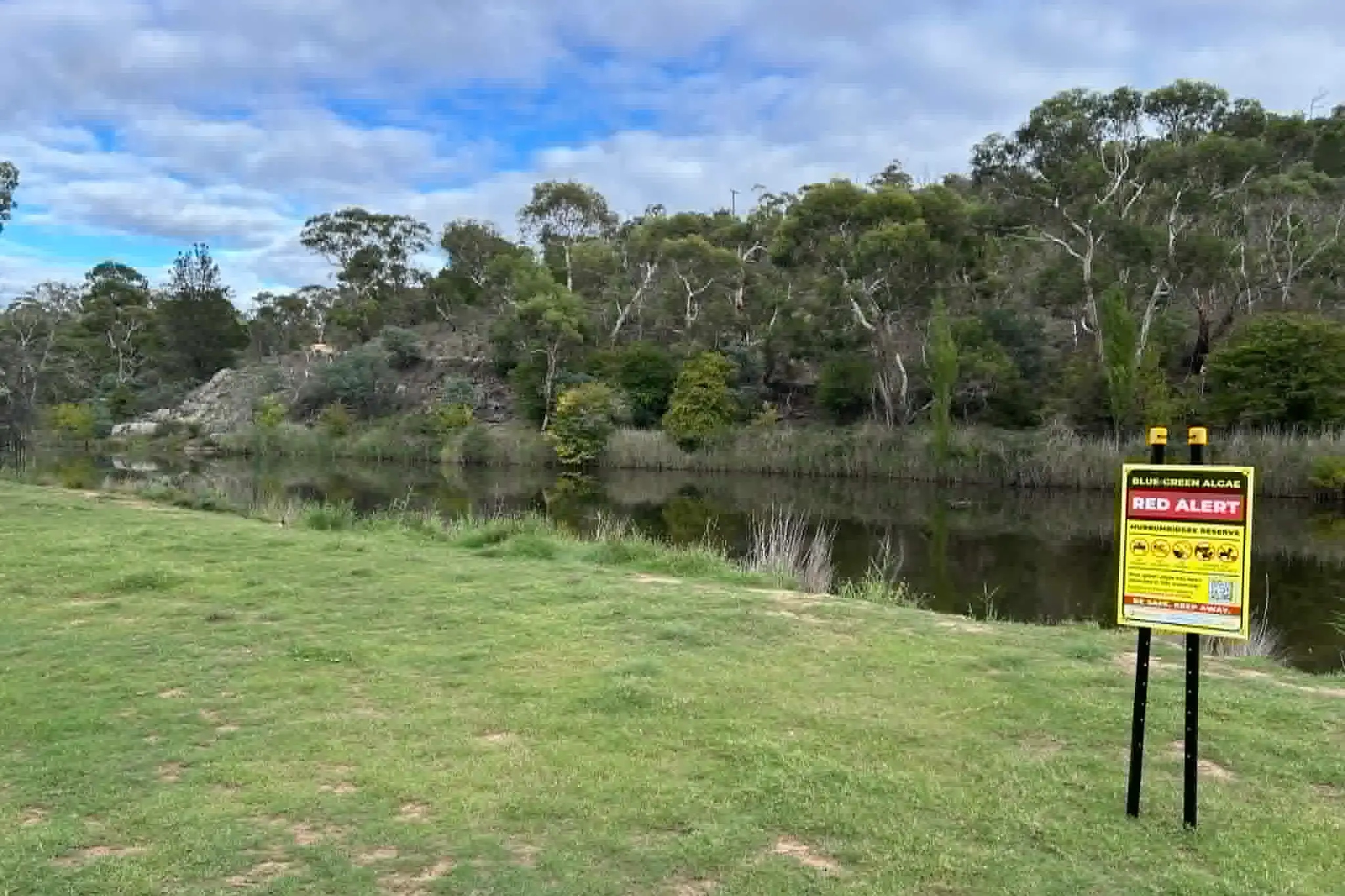
WaterNSW has extended a precautionary red alert warning for high levels of potentially toxic blue-green algae in the Murrumbidgee River from downstream of Tantangara Reservoir to the ACT border.
The upgraded alert is based on sampling data, satellite imagery and visual observations. WaterNSW is advising the public the bloom is expected to continue moving downstream in coming days.
Cooma Waterwatch co-ordinator, Antia Brademann, called on residents and landholders to take the red alert seriously.
“While algae (including blue-green algae or cyanobacteria) are a natural part of the environment, they can become a problem when they develop into algal blooms,” Ms Brademann said.
“In flowing rivers such as the upper Murrumbidgee, blooms can occur when temperatures are high, when there is increased nutrients, and when flows are low.
“The river also had an extended algal bloom last year in March. The increased occurrence as well as the extent of the bloom (which is now extending from Tantangara Dam to the ACT border) is a huge concern for our region as the river is relied upon as a water source and for stock watering.
“We also have a nationally significant population of Macquarie perch (a threatened native fish species), as well as trout, platypus, Rakali and other aquatic species which rely on the river.”
In a statement, Snowy Monaro Regional Council said the red alert warning applies only to untreated water within this reach and will remain in place until monitoring confirms the risk is sufficiently diminished.
People should also avoid recreational activities and any other activity that brings them into contact with this water body until the red alert warning is lifted. People should avoid consuming untreated water from within this waterbody and prevent pets and livestock from drinking this water.
Ms Brademann said landholders should monitor their animals and watch for signs of blue-green algae exposure.
“The main issue is animals drinking or coming into contact with the water, but the toxins can also be dangerous when inhaled,” Ms Brademann said.
“People that have been exposed to blue green algae have reported headaches, eye pain, blurred vision, nausea and vomiting.
“All species of blue green algae may cause skin rashes or eye irritation due to adverse reactions to components in the cell walls of the organisms.”
Sheep and cattle deaths have been known to occur from animals drinking water containing blue green algae in other areas.