
PHOTO
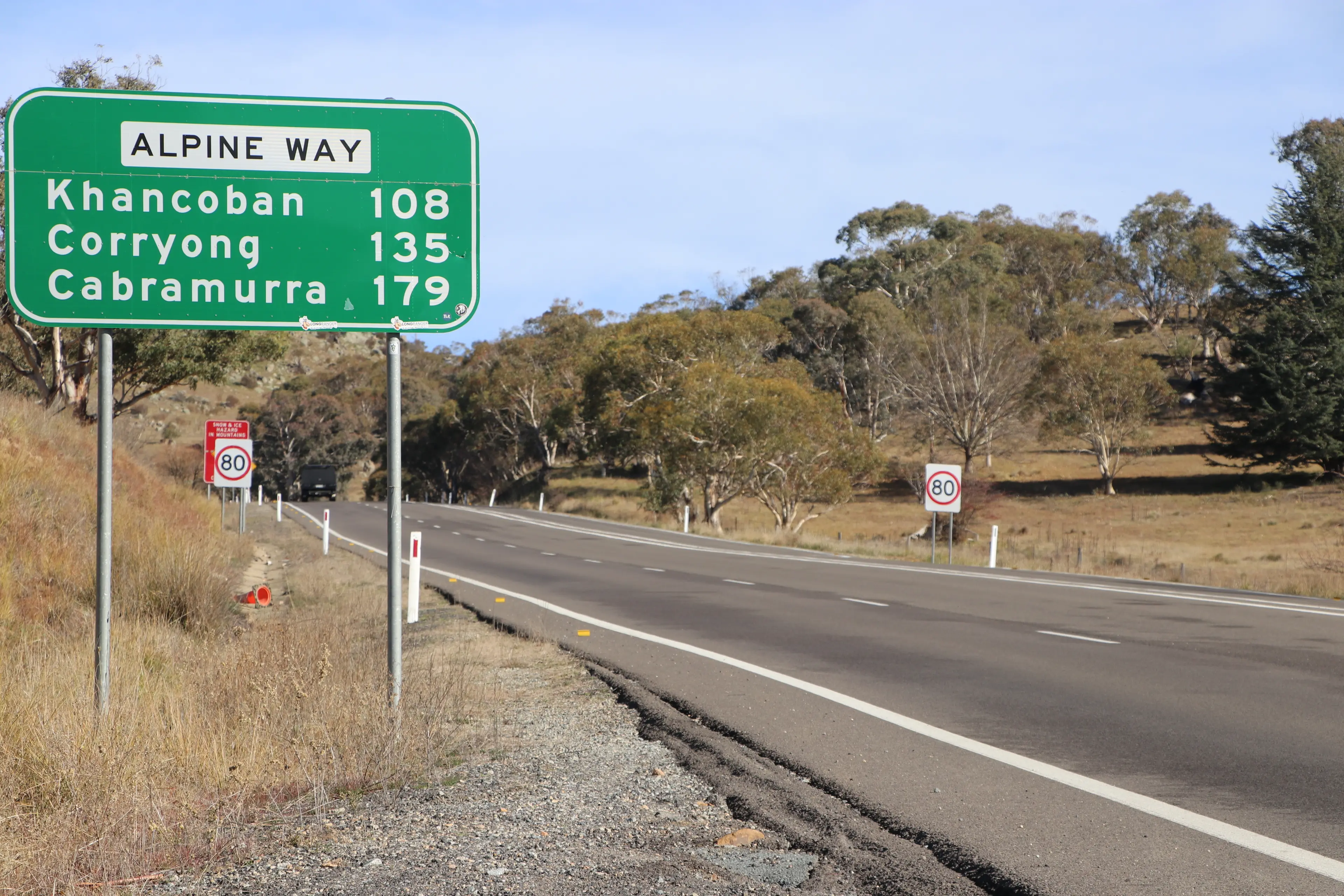
Transport for NSW has implemented a permanent 80 km/h speed limit along a 30-kilometre stretch of the Alpine Way, between Jindabyne to Thredbo.
While Transport for NSW have cited a high frequency of accidents and a “safe system approach” as the primary drivers for the change, local business leaders have voiced frustration, saying the decision was made without community consultation or adequate warning.
The speed zone change, which came into effect on 5 June, replaces a previous patchwork of 60, 80 and 100 km/h zones.
Under the old system, the 100 km/h section between Thredbo and the Rangers’ Station was temporarily reduced to 80 km/h only during the winter peak.
The new regulation makes the 80 km/h limit permanent year-round, from the intersection of Kosciuszko Road at Jindabyne through to Thredbo.
A Transport for NSW spokesperson said the decision followed a comprehensive speed zone review that identified the Alpine Way as a high-risk corridor.
“The review revealed that in the five years leading up to 30 June 2024, the crash rate on this stretch was more than double the typical rate for a rural state-classified road,” the spokesperson said.
“Crash data for this period recorded a total of 23 crashes resulting in 14 casualties. There were 15 crashes in the 100 km/h zones; notably, 13 of those occurred outside the seasonal speed zone changes.”
Transport for NSW also highlighted the challenging nature of the road environment as a justification for the lower limit.
“The road environment consists of inconsistent pavement width, high-risk curves, obstructed sight distance and unpredictable extreme weather conditions all year-round, including rain, snow, ice and fog,” the spokesperson said.
“A reduced speed limit of 80 km/h is appropriate within a safe system approach to managing crash risks associated with traffic along this route.”
President of the Jindabyne Chamber of Commerce and local business owner, Olivier Kapetanakos, said the community and stakeholders were completely bypassed during the decision-making process.
“There was no discussion with any stakeholder groups at all. They just went ahead and put posts in the ground,” Mr Kapetanakos said.
“We didn’t have any idea. I did a quick investigation inside the council traffic committee and couldn’t find anything there either.”
Mr Kapetanakos said that while the community understands the need for lower speeds during the busy winter season or in high-traffic areas, the permanent change during the summer months lacks justification and carries a significant economic cost to businesses who travel this road every day.
“It’s going to cost my business a couple of thousand dollars in lost productivity a year,” he said.
“It adds an extra 10-15 minutes one way, I lose something like an hour-and-a half a week.
“That means I’ve got to send people up earlier and they come back later, or they leave earlier, which means we get less work done.”
Reports from the community suggest that the usual temporary “speed limit changed” advisory signs were absent and replaced with permanent signage leading to confusion for regular road users.
“There’s been no public announcements. There hasn’t even been a speed change advice on the road,” Mr Kapetanakos said.
“I believe there’s only been a few new signs installed along the entire 30-kilometre stretch too, compared to the highly visible electronic signage used for seasonal changes in the past.”
Transport for NSW has maintained that the permanent reduction is a necessary step in managing crash risks.
The department indicated that signage has been installed to inform motorists and noted they intend to remind the community of the permanent changes toward the end of the winter season.
For the residents and business owners of the Snowy Mountains, the issue is as much about the loss of time and trust as it is about road safety.
“Everyone is reasonable, and we are prepared to adjust in high-traffic areas,” Mr Kapetanakos said.
“But this doesn’t build trust between the community and the bureaucracy of government when we aren’t advised or given the consideration of a conversation first.”
As the first winter season under the permanent 80 km/h limit continues, locals have had to alter their schedules to fit with the new commute time between Jindabyne and the ski fields.