
PHOTO
71094.0
Federal Opposition Leader and Nimmitabel product, Angus Taylor, has declared his support for stopping the aerial cull of the Snowy Mountains Brumby.
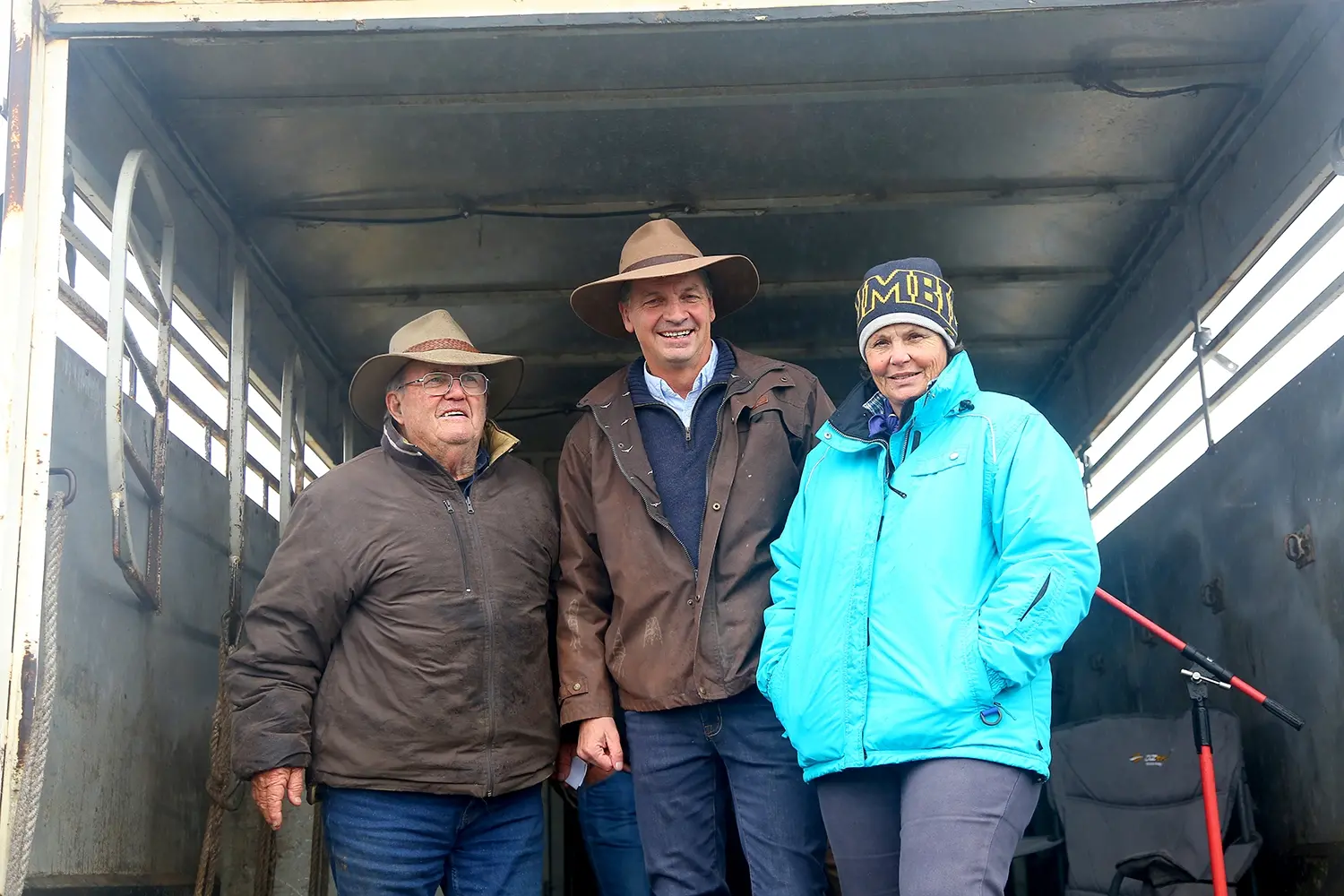
Mr Taylor joined hundreds of Brumby advocates at Kiandra on Saturday, calling on the NSW government to halt aerial shooting and return control of managing Brumby numbers back to locals.
“No bureaucrat will understand how to manage this land more than the locals,” Mr Taylor said.
“I want to see the locals back in control. I want to see the Brumbies protected. The Snowies and the Brumbies have helped shape our national identity.
“They’re also an important part of my life. I grew up and worked among them.”
Member of the Legislative Council, Nichole Overall, echoed calls for the cull to stop.
Mrs Overall said she could not attend the rally but supported those there. A statement from the member was read out at the rally by Leisa Caldwell.
“All of you are here because you care - about our shared history, our mountains, and above all, about these iconic animals,” Mrs Overall said.
“And what we’re fighting for isn’t based on ideology or far-left fantasies of saving the world by shooting Brumbies from the air. It’s about transparency and balance. It’s about trust.”
One rally attendee who made the journey to Kiandra from Lillian Rock in the state’s far north east, Jenny Blow, said supporters had travelled from as far as Ballarat and Sydney, with 117 vehicles counted on the day.
Ms Blow said she used the trip as an opportunity to speak with people throughout the Snowy Mountains and gauge their views on the latest round of aerial shooting in the park.
“I spoke to a lot of people in Tumut who told me their stories of going on family holidays into the national park as kids, where seeing a Brumby was a highlight of the trip,” she said.
“When I was younger we used to come up here for my dad’s work, and spotting a brumby in the park was so special. It still is special.”
Ms Blow said those at the rally were not arguing there should be no management of horse numbers, but strongly opposed aerial shooting and wanted greater emphasis placed on re-homing, rescue and more accurate population estimates.
“We don’t want to see the environment destroyed either,” she said.
“It’s about balance. We all feel that the other side of the story hasn’t been heard, which is our side.
“We all want to retain the natural environment, but there has to be a little bit of balance. The horses have been up there for 200 years.”
The latest NSW government survey, released in May, estimated there were between 6476 and 16,411 wild horses in Kosciuszko National Park in 2025.
The government says the survey was prepared and peer-reviewed by independent experts using internationally recognised methods, and that a population range is released because counting every horse across such large and rugged terrain is not possible.
The 2025 estimate is higher than the 2024 estimate of between 2131 and 5639 horses, but still below the 2022 estimate of between 14,501 and 23,535 horses.
Under the current Wild Horse Heritage Management Plan, the National Parks and Wildlife Service is required to reduce the wild horse population to 3000 by 30 June 2027.
The former Kosciuszko Wild Horse Heritage Act 2018, often referred to as the ‘Brumby Bill’, was repealed last year, but the current management plan remains in place while wild horse management is integrated into an updated Kosciuszko National Park Plan of Management.
The NSW government says aerial shooting is needed because trapping, re-homing and ground shooting alone would not meet the 2027 target.
Environment Minister, Penny Sharpe, said in May that no one wanted to have to kill horses, but numbers remained too high.
“We will use the best available science and take a cautious, evidence-based approach to reach the required population target, in order to protect native vegetation, animals, waterways and cultural values,” she said.
The National Parks and Wildlife Service says wild horses damage alpine and sub-alpine environments by trampling and grazing native vegetation, eroding waterways, reducing water quality and destroying habitat for threatened species including the northern corroboree frog and stocky galaxias.