
PHOTO
78514.0
For many Cooma businesses, the effects of a poor snow season are felt long before visitors reach the mountains.
With winter 2026 failing to deliver the consistent snowfalls that traditionally draw large numbers of visitors to the Snowy Mountains, reduced traffic through the region has placed added pressure on local traders, highlighting just how closely Cooma’s winter economy is tied to fortunes on the slopes.
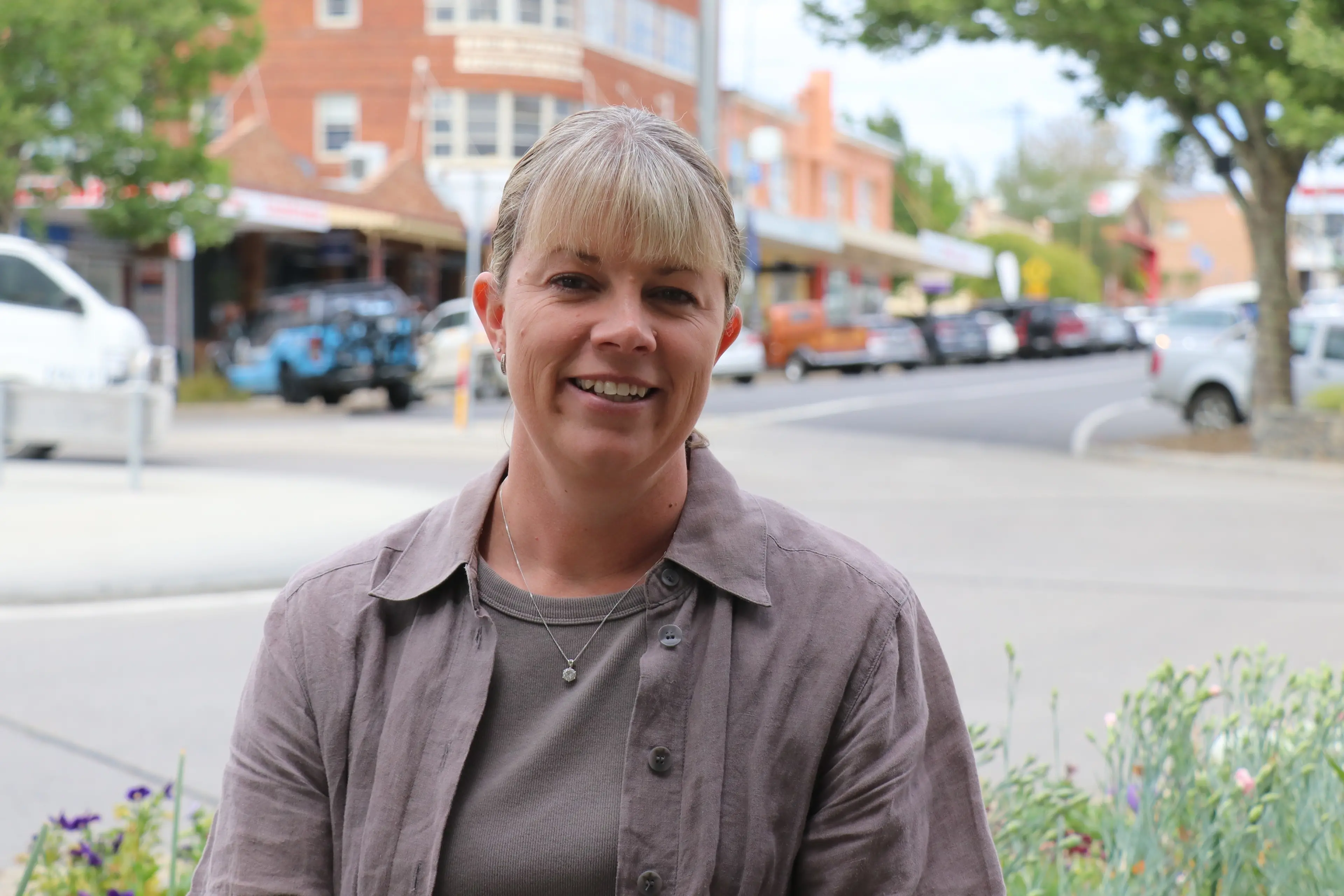
Cooma Chamber of Commerce president, Alicia Bolton, said the season also highlighted an opportunity to promote Cooma as a destination in its own right through local events, shared promotions and year-round visitor experiences.
“Cooma businesses need to support one another and work together to ride out the quieter season and keep local doors open,” Mrs Bolton said.
Businesses across the wider region have reported the flow-on effects of fewer winter visitors, particularly Cooma, a key stopping point for travellers heading to and from the mountains.
Most noticeable was reduced tourist traffic which translated into quieter streets and softer trade for retailers, cafés, accommodation providers and other businesses that rely on the seasonal boost.
Mrs Bolton said Cooma businesses experienced a quieter winter due to warmer weather, limited snow and fewer visitors.
“Fewer visitors and less passing traffic reduced winter trade for many retailers and hospitality businesses. Cost-of-living pressures also made customers more selective, while rising operating costs continued to affect small businesses,” Mrs Bolton said.
The busiest periods in Cooma generally coincided with increased visitor activity, but they were shorter and less consistent than in a typical snow season.
The tough season meant there were occasions when resort visitors would spend more time in Cooma instead of on the slopes, but it wasn’t enough trade activity to make a noticeable difference for local business.
“Some visitors spent more time shopping and dining in Cooma when mountain conditions were poor,” Mrs Bolton said.
“However, this did not fully offset the overall decline in visitor numbers.”