
PHOTO
The 2026 Federal Budget has introduced a model shift in the Australian property landscape, marking the most significant tax reform in decades.
By implementing sweeping changes to negative gearing and the Capital Gains Tax (CGT) discount, the government aims to recalibrate a market long dominated by investors, seemingly to level the playing field for first-home buyers and stimulate new housing supply.
While the topic focuses on the cooling of over-heated metropolitan markets, regional hubs, particularly tourism areas like the Snowy Mountains, are bracing for a unique set of challenges and opportunities as these new realities take hold.
While national statistics indicate that 70 per cent of real estate sales in Australia are to owner occupiers and these are not impacted by the budget changes, the dynamics in regional tourism pockets tell a different story.
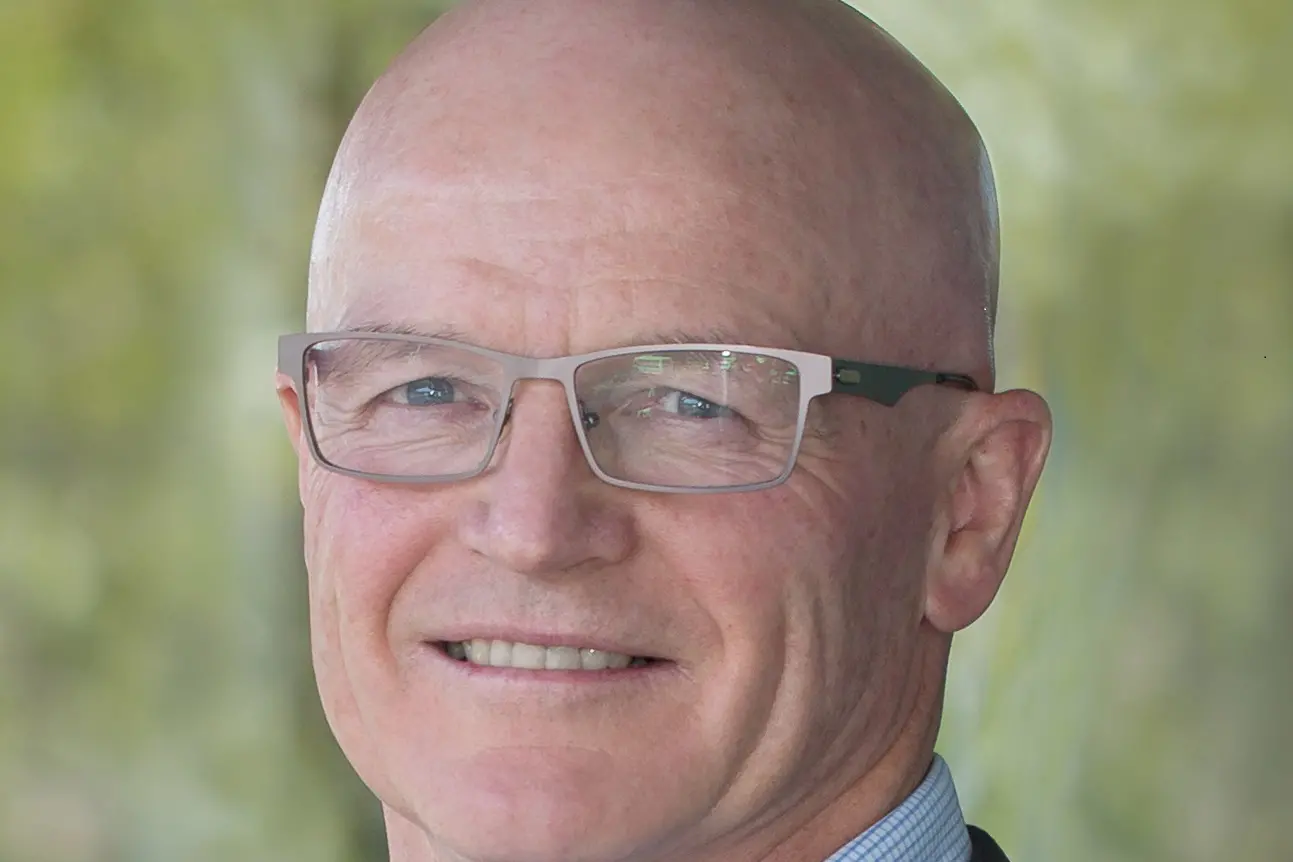
Director of Kosciuszko Realty Pty Ltd, Gordon Jenkinson, said in Jindabyne approximately 80 per cent of property transactions involve parties from outside the area.
“While existing property owners will see little change to their current arrangements regarding negative gearing and the 50 per cent CGT discount, the outlook for ‘lifestyle investors’ post budget will be quite different,” Mr Jenkinson said.
“The reality for us in the Snowy Mountains is that tourism is our major economic driver and apart from owner occupiers, most lifestyle investors looking to purchase existing homes or apartments post budget 2026 will be impacted by the changes to negative gearing and the 50 per cent CGT discount. This could result in fewer buyers for older property and a decrease in sale values for these properties. The upside is it should provide an opportunity for some residents who have been priced out of the Jindabyne market which was the stated intent of the changes.
“Buyers of new homes and apartments are not affected by the budget changes and there is a glut of approved subdivisions in the Cooma, Berridale and Jindabyne corridor for buyers to consider.”
However, he expressed scepticism about whether the city-centric policy will translate effectively to the regions.
“In Jindabyne and other tourist destinations owner-occupied homes is a much smaller percentage, than what you’d see in most other towns and urban areas,” Mr Jenkinson said.
“Ultimately, if the plan works and we see more younger people able to buy their first homes here in Jindabyne, that will be a good thing.”
A cornerstone of the 2026 Budget is the protection of “new builds” from the most stringent tax changes.
This is designed to funnel capital into increasing the housing stock rather than inflating the price of existing dwellings. In the Snowy Monaro region, this could have a profound impact. Currently, there is a significant pipeline of development, with more than 1000 blocks of land approved across Cooma, Berridale and Jindabyne, which Mr Jenkinson said at current sales rates represents nearly 20 years of supply.
However, the path to homeownership is not merely a matter of land availability.
Rising building costs, exacerbated by fluctuating fuel prices and supply chain pressures over the last few months, have created a conundrum.
While land prices may eventually soften due to high supply, the cost of construction remains high, potentially propping up the value of existing homes even as investor demand for older properties wanes.
A significant concern for regional growth remains the “urban-centric” nature of Australian real estate reporting.
“Australia is one of the most urbanised countries in the world,” Mr Jenkinson said. “When we talk about real estate, they generally talk about what’s happening in Melbourne, Sydney, Brisbane, Canberra and Perth, the major cities. When you hear about property prices going up or down, it’s generally affecting those markets, not representing the regional towns.”
Beyond the immediate tax implications, the 2026 Budget has sparked a debate over political trust and investor confidence. The government’s decision to move forward with these changes despite previous assurances has left some market participants wary. “One of the scary things for people now is that the government promised they weren’t going to bring these changes in,” Mr Jenkinson said. “If voters perceive a lack of stability regarding CGT and negative gearing, they may fear future taxes on the primary place of residence. This lack of confidence in our government could deter investment in small businesses and regional markets, where stability is paramount for long-term growth.”
According to a recent report from AMP, Australia’s homeownership rate of 63 per cent lags behind comparable nations such as the United States (66 per cent), the United Kingdom (67 per cent), and New Zealand (65 per cent). AMP deputy chief cconomist, Diana Mousina, has highlighted that high global ownership rates indicate a near-universal aspiration for property.
However, the barrier for Australians is not just tax policy, but debt. While the policy aims to drive down the entry price for young Australians, there are secondary risks, such as banks tightening lending criteria in response to falling property values. For regional areas like Jindabyne, Mr Jenkinson said the hope is that these changes, combined with a potential shift to regional hubs to capitalise on work-from-home trends, will create a more sustainable local economy.
“The true impact of the 2026 Federal Budget will likely not be visible for 12 to 24 months,” Mr Jenkinson said.
“The ultimate success of the budget will be measured by whether the “intended” outcome - increased homeownership for the next generation - comes to fruition, or whether the “unintended” consequences of reduced investor confidence and high construction costs stifle regional development.” For now, the Snowy Mountains and the rest of regional Australia waits to see if the promise of a “level playing field” becomes a reality.