
PHOTO
67547.0
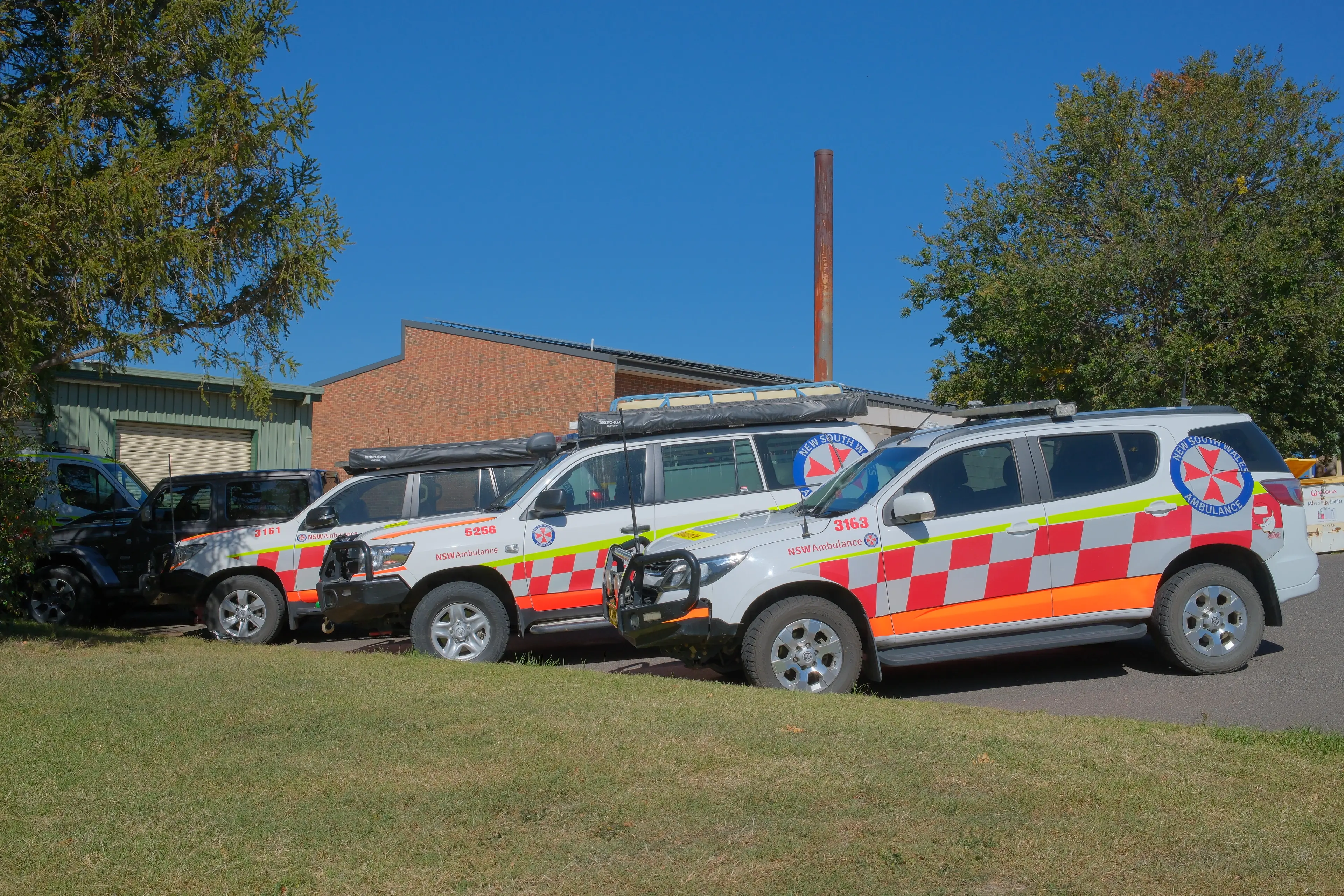
Snowy Monaro paramedics are continuing to call for specialist paramedics to be allowed to serve the communities they call home, urging NSW Ambulance to change their station categorisation model.
Local paramedics have told this masthead they are concerned the current model, which has the Cooma ambulance station as a Category D set-up, is affecting patient care in the region.
“On the road, we see first-hand the consequences of limited access to specialist paramedics,” a Cooma paramedic said.
“In time-critical situations, the difference between having a ‘specialist paramedic’ available locally as opposed to hours away can be the difference between life and death.”
A NSW Ambulance spokesperson said the organisation takes patient care seriously.
“We assure the residents of Cooma and surrounding communities that if you call Triple Zero (000) with a life-threatening medical emergency, highly qualified NSW Ambulance paramedics will be there to respond,” the spokesperson said.
“The care of our patients is our highest priority.”
Currently, Cooma and many stations in regional NSW, are not allowed to have ‘specialist paramedics’ - intensive care paramedics (ICPs) and extended care paramedics (ECPs) - on their books, due their station categorisation.
NSW Ambulance said its process of placing specialist paramedics is comprehensive and well-established.
“NSW Ambulance uses a rigorous and well-established clinical capability assessment to identify where to locate our specialist paramedics, including ICPs, within geographical areas,” the spokesperson said.
“This methodology considers patient safety, and the volume and mix of services required, a process found to be comprehensive and effective in the 2024 NSW Auditor General’s report.”
Australian Paramedics Association president, Brett Simpson, said current practice is prioritising the health of people living in metropolitan areas. Mr Simpson said regional and rural patients, such as those in the Snowy Monaro, are missing out on the best care possible.
“According to NSW Ambulance themselves, the most acute cases, ones that would most likely require Intensive Care Paramedic backup, require a response time of less than 10 minutes,” Mr Simpson said.
“This response time is quite literally impossible in regional and rural NSW unless each station has specialists to serve them. The heartland of the state is being left out to dry.”
Mr Simpson said paramedics boasting ICP and ECP qualifications should be allowed to use these in the communities they wish to live and work.
“Our members in rural and regional areas want to progress in their careers and serve the towns they’re from and love,” Mr Simpson said.
“Right now, NSW Ambulance does not allow our regional and rural paramedics to work as specialists in Category C and D stations, which make up most stations in regional and rural NSW.
“Our members unfairly have to choose between their postcode and their pathways to development.”
Mr Simpson said tax payers would also be saved money in the long term if ECPs were allowed to work in more regional and rural settings.
“ECPs are valuable for regional and rural communities because they go directly to people’s homes and give services that would normally only be available in a hospital. ECPs save the system thousands of dollars a day and stop patients from unnecessary transfers to hospital,” he said.
NSW Ambulance said its paramedics and medical staff are ready and available to respond in the Snowy Monaro.
“NSW Ambulance has a network of highly mobile clinicians, including paramedics, ICPs, critical care paramedics (CCPs), doctors and nurses, available to respond across the region,” the spokesperson said.
“Our CCPs, doctors and nurses are also available to quickly deploy medical resources to critically ill patients across the region via our state-of-the-art rescue helicopters and fixed wing aircraft.”