
PHOTO
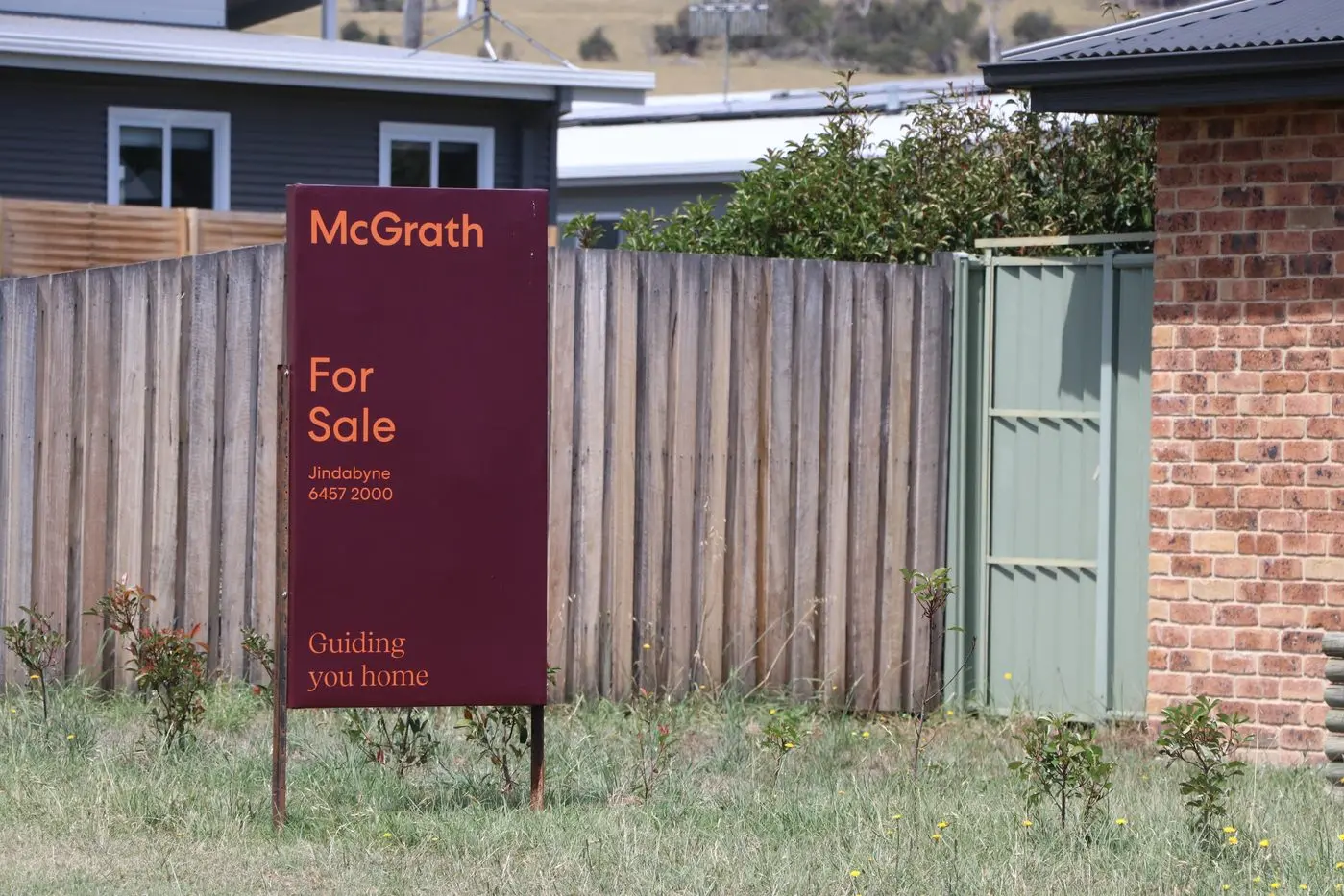
JINDABYNE’S property market has experienced a fall in sale prices between 10 to 15 per cent compared to the peak years from late 2020 through to mid-2023.
McGrath Real Estate sales agent and former principal of First National Real Estate, Gordon Jenkinson, specialises in property sales in Jindabyne and surrounds, with more than two decades of experience, Mr Jenkinson has extensive knowledge of the fluctuating market.
Even considering the challenging Australian economy and the many interest rate rises over the last couple of years, Mr Jenkinson said the biggest impact to the Jindabyne economy is still the snow season – prices fall after a poor snow season and solidify or rise after a bumper snow season.
“Jindabyne is a snow town and the two back-to-back poor snow seasons has had an impact on property prices and our local economy generally with many of our businesses struggling,” Mr Jenkinson said.
“Fewer visitors, means less money being injected into the economy which in turn effects property prices.
“That said, property prices are still double what they were pre-COVID, if you have a look at property prices in December 2019, as compared to February this year, prices are still double, even though they’ve dropped that 10 to 15 per cent from the peak.”
Currently, there are more than 70 properties on the market with a median sales price of around $1 million and nearly 60 properties on the rental market as compared to three years ago when there were very few rentals and about a dozen properties for sale.
Mr Jenkinson said there’s a lot more stock out in the market right now and that could also have something to do with banks taking a much more critical view on investment properties, especially in tourism areas like the Snowy Mountains.
“Banks don’t take into consideration short term rental income when assessing loans for an investment property especially in regional areas where rental income is reliant on weather conditions – in Jindabyne this means snow and after a couple of poor snow seasons more owners are looking to switch to 12 month rentals or seasonal staff rentals which in turn adds to supply and gives renters more and cheaper options. Marginal borrowers can get into trouble meeting repayments and could be faced with selling their properties in a falling market,” Mr Jenkinson said.
“It isn’t just property owners feeling the effects of a bad season, many of our small businesses are really struggling and another poor snow season could push them over the edge and force them to sell or if failing to find a buyer they may have to close up and walk away which would be devastating both personally and for the town.”
After the NSW Government slashed the original Snowy Mountains Special Activation Precinct (SAP) funding from $391 million to $196 million last year, the plans were adjusted to fit the new funding scheme.
SAP was introduced to the community as an opportunity to offer year-round tourism as well as leveraging the region’s environment, culture and landscape through essential planning and infrastructure that will benefit the community.
Mr Jenkinson said the purpose of the SAP was to try and negate the seasonality in the area and while it is great to have biking, hiking and other attractions, the town survives off its winter tourism.
“Jindabyne has a year-round population of roughly 4,000 people and over the winter season it nearly triples in population,” Mr Jenkinson said.
“Most local businesses generate 80 per cent of their income in the four months of our winter season and four-six weeks over the warmer months, outside of these periods the town is very quiet and while Thredbo is rated the number one location in Australia for ‘gravity’ mountain biking with events such as the Cannonball series it is only available for four to five months of the year. While our mountain biking trails have seen a massive increase in usage over the last six or seven years, they don’t have the economic impact of our winter sports enthusiasts and the truth is that nearly every town has or is planning bike trails.
“One of the major economic drivers highlighted in the SAP community forums was the world class ‘Mountain Bike Terrain Park’ with a chair lift or gondola to provide a second gravity experience in the area but available for use most of the year and compliment the Thredbo trails when they were not snow bound and with supplementary attractions such as a ‘Heritage Centre’, Restaurant and viewing platform at the trail head and retail outlets - this would be a shot in the arm for year-round tourism with the aim of making Jindabyne and the Snowy Mountains the number one destination for gravity mountain bikers in Australia.
“This project had massive support from the public forums and given our location halfway between Sydney and Melbourne and only two hours’ drive from Canberra and with Doppelmayr, a world-renowned ski lift company based in Jindabyne, this held great promise to take seasonality out of our major industry tourism - hopefully it is not off the table.”
Mr Jenkinson believes the better the town’s infrastructure and offering, the more tourism and money into the economy, and the more the town will flourish.
“Apart from year-round residents, the reason most people buy and put their properties on as short-term holiday rentals is because they want to use them themselves,” Mr Jenkinson said.
“As long as we have good snow conditions and/or other year-round attractions people will continue to invest in Jindabyne – for a dedicated ski family who spends 10-12 weekends of the snow season in the area they could be up for $20-$40,000 a year on accommodation alone – that would cover a good portion of interest repayments and a great incentive to buy in Jindabyne as is the public and private investment in our local education offerings and our relatively low crime rate.”
Mr Jenkinson said there are homes and apartments being built in the town right now, but the return of equity on new properties, from a strict investment point of view, is not great unless an owner can manage or clean their properties themselves.
“At the moment it’s all about winter if the snow falls, your holiday property gets bookings and makes money, but if it’s a poor snow season, you won’t get bookings and your bank balance will suffer – hopefully in the near future we can take the seasonality out of the area which will lead to better outcomes whether you are a property owner, renter, employee or business owner,” Mr Jenkinson said.
“So, let’s hope for a good season this year, the town needs it.”