
PHOTO
71579.0
The confirmed presence of the highly pathogenic H5N1 avian influenza (bird flu), recently detected in mainland Australia for the first time, has put Snowy Monaro backyard poultry keepers on alert.
This H5 sub-type – called H5N1 clade 2.3.4.4b – causes severe illness and high death rates in birds.
As of Monday 6 July one case was detected from a Giant Petrel at Hawks Nest in NSW, and five cases were confirmed in other wild migratory seabirds along the southern coasts of Western Australia and South Australia.
In birds, the disease can cause sudden death, a sharp drop in egg production, swelling of the head and neck, breathing difficulties, and sometimes neurological signs such as loss of co-ordination.
At the time of going to press, there are no detections in poultry or in the agricultural production system and the risk to the general public remains low.
NSW authorities, however, are specifically urging poultry owners to maintain strong on-farm and backyard biosecurity.
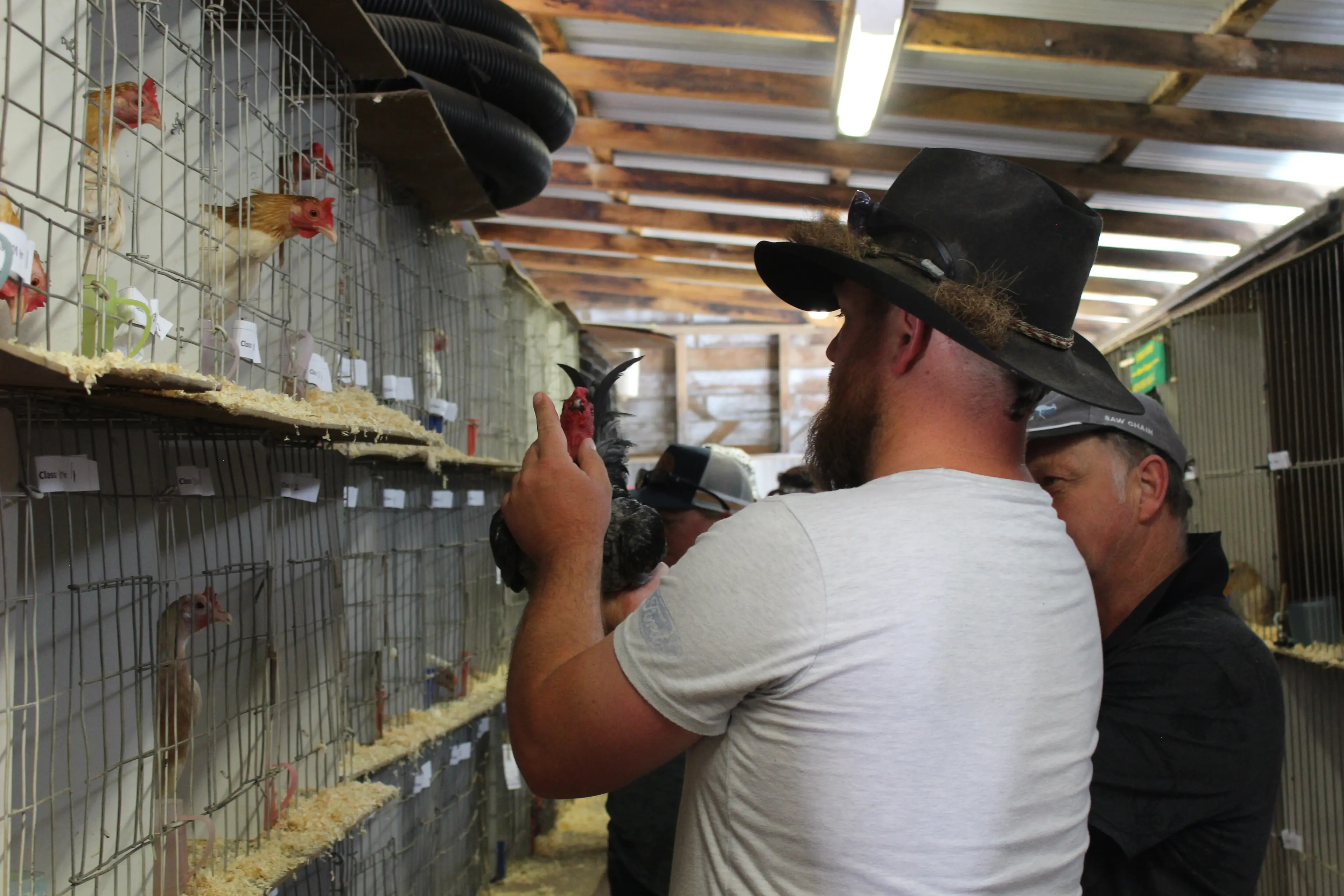
Merino sheep grazier, wool producer and poultry enthusiast, Jim Fletcher, of Bellevue Park Wool, has been breeding and showing poultry since 2004.
“I have also raised commercial layers for a long time but moved away from that when the last bird flu outbreak occurred a couple of years ago,” Mr Fletcher said.
He now keeps pure bred chickens and ducks and judges poultry shows.
“I am concerned about the spread of the H5 avian bird flu and how the government will handle it [if and when it becomes more prevalent],” Mr Fletcher said.
He believes the government, at this point in time, is doing what it can to control the spread.
“I wasn’t surprised that H5 virus made it to Australia; it’s not good but now we just have to handle it the best we can.”
While waiting for information from the relevant government departments, Mr Fletcher has implemented some of his own preventative measures.
“I am limiting contact with wild birds and water that wild birds have contact with, limiting visitors and quarantining any sick birds or any new birds.”
According to Australian chief veterinary officer, Dr Beth Cookson, Australia has been preparing for this scenario for several years.
A key priority, she said, is to undertake surveillance to determine the extent of the infection in wildlife.
“Australia is well prepared to respond to H5 bird flu and will react quickly, to protect poultry production, and reduce impacts on wildlife and communities.”
The NSW government has increased surveillance and boosted biosecurity capacity for H5 bird flu by dedicating additional resources to identifying potential cases coupled with an awareness campaign focused on input from the community and the needs of industry.
Surveillance operations have ramped up as the state prepares for further detections in NSW, including establishing a H5 bird flu call centre, training more than 380 additional staff, including Local Land Services and National Parks and Wildlife Service field officers to undertake surveillance for H5 bird flu.
A series of national simulation exercises has also been undertaken since 2024 to prepare for this event.
“NSW Health advises that the risk to human health remains low,” a NSW Department of Primary Industries and Regional Development spokesperson said.
The NSW Department of Climate Change, Energy, the Environment and Water has developed detailed wildlife preparedness plans for 34 priority sites and statewide response plans for vulnerable species including little penguins and fur seals.
“We are doing everything possible to protect our primary industries sector by strengthening surveillance and boosting biosecurity capacity and capability across the production and environmental fronts,” NSW Minister for Agriculture, Tara Moriarty, said.
NSW chief veterinary officer, Jo Coombe, said the focus, is to minimise risk of onward transmission to commercial poultry, protect human health, where possible reduce the impact on the environment and ensure stakeholders are kept informed.
The community is encouraged to report any dead or sick birds or animals showing signs of bird flu.
If multiple sick or dead birds or other animals are observed, do not touch them. Avoid contact. Record what you see. Report it to the Emergency Animal Disease Hotline on 1800 675 888 from anywhere in Australia.
The Australian Centre for Disease Control has a bird flu toolkit for people who work with birds.
This toolkit offers an overview of bird flu and provides practical advice for people who work with birds to help keep themselves safe.
The tool kit can be found on the centre’s website, which is cdc.gov.au.