
PHOTO
South East Local Land Services is urging graziers on the Monaro to keep a close eye on lucerne paddocks and livestock as cowpea aphid numbers increase.
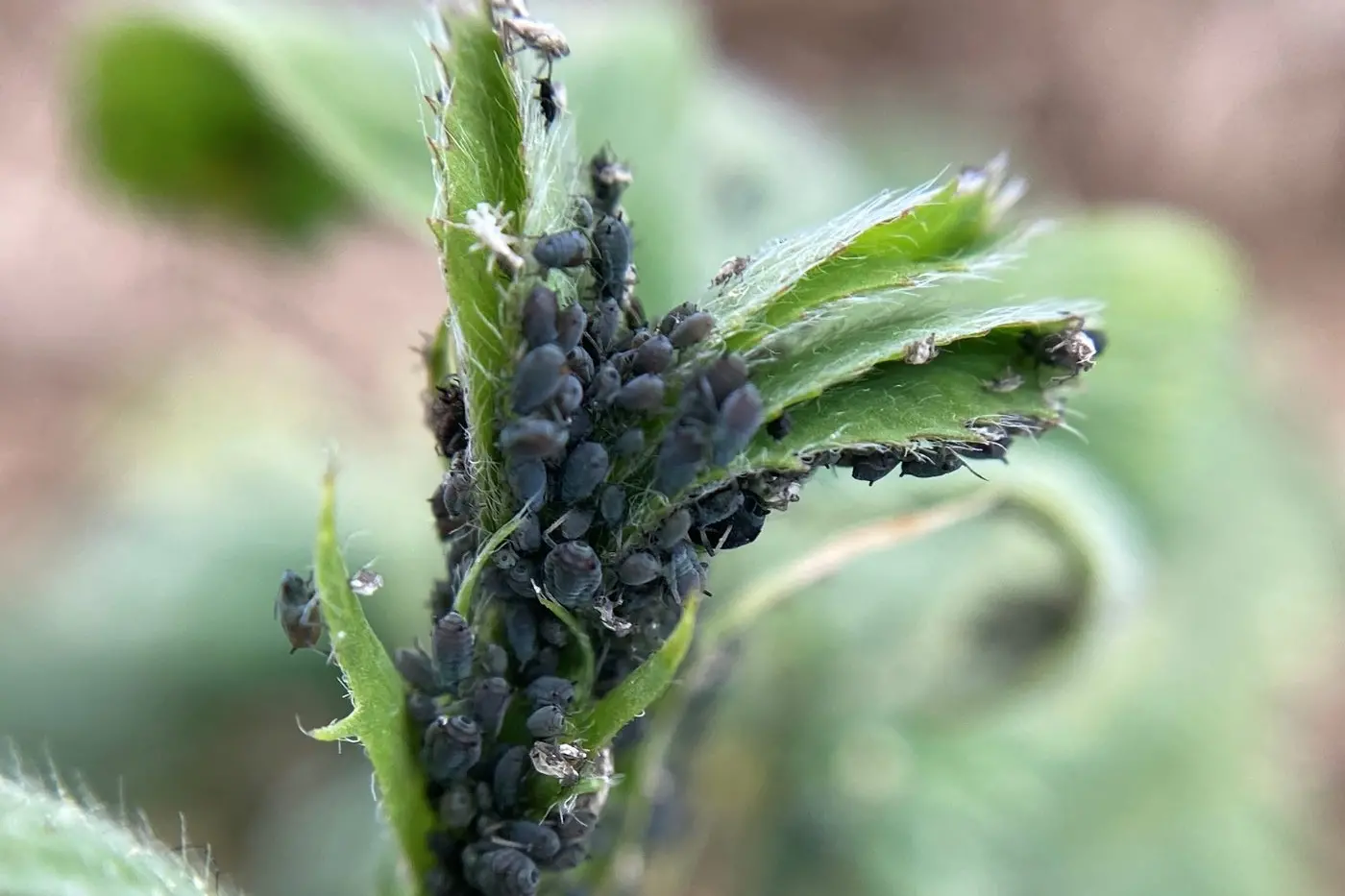
These small black sap-sucking insects feed on lucerne and when ingested by stock, can cause severe photosensitisation. Young lambs are particularly vulnerable and if affected significant losses can be experienced.
Cowpea aphids can also reduce lucerne growth at a time when quality feed is most needed.
Photosensitisation in stock is a condition in which skin is damaged when photodynamic agents found in the diet react to sunlight. It can cause severe skin lesions resulting in production losses, or liver damage which may result in death.
There are two forms of photosensitisation, primary and secondary, which are categorised based on how the disease develops.
In cases of primary photosensitisation, signs generally appear within two-three days of ingesting the plant. However, in cases of secondary photosensitisation, signs of may not occur until weeks after the animals have been removed from the toxic pasture.
Signs of photosensitisation in livestock include red, weepy and swollen skin, which may lead to ear drooping or closed eyelids.
The first signs of photosensitisation are swelling of the ears and/or muzzle, which can then result in blistering and scabs. If excessive swelling is present, animals may have difficulty breathing or grazing. In severe cases, the surface of the skin may crack, turn black and slough of.
In sheep, the face, ears and muzzle are the worst affected areas, however, sheep that have been recently shorn may be affected over the whole body.What you can do:
▪️check lucerne regularly for aphids gathering on upper leaves and stems, which can make plants appear black;
▪️keep an eye on your stock for signs of photosensitisation; and
▪️speak with your local agronomist about the best control options for your situation.