
PHOTO
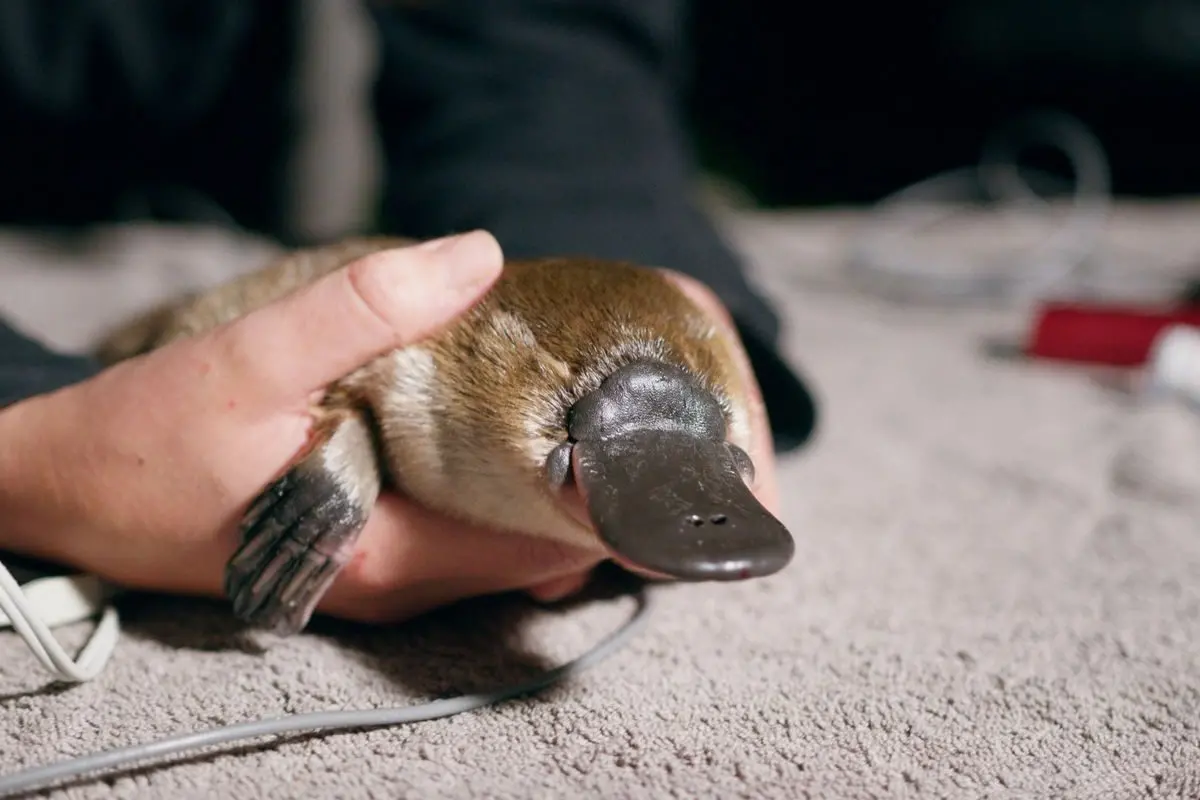
FOR the first time in more than 50 years, a juvenile platypus has been found in the Royal National Park, and the Snowy Mountains has played a vital role in this milestone occurring.
It comes less than a year after the historic translocation of five female platypus to the park from the Bombala and Dalgety regions.
The local platypus have given the best indication yet that the collaboration between National Parks and Wildlife Service (NPWS), the Platypus Conservation Initiative at the University of New South Wales, World Wildlife Fund Australia, and the Taronga Conservation Society has been a success.
A spokesperson for NPWS said the juvenile female was captured during a survey by researchers to assess the health of the platypus population and check for potential breeding.
“The youngster is going strong, weighing just under a kilo, and is estimated to be about six months old,” the spokesperson said.
“After assessment and a microchip fitting, Gilli was released back into the river.
“An adult female platypus named Delphi was also captured during the survey, with genetic testing underway to determine if she is Gilli’s mother.
“This will give us greater insight into breeding patterns and genetic health of the translocated population.
“Platypuses thriving and breeding indicates healthy waterways within Royal National Park, it’s also a huge milestone in this vital project.”
The five female platypus were released into the park during May 2023 and were followed by four males the following week once the females had successfully established their territory.
The platypus were collected from southern NSW to ensure genetic diversity and brought to Taronga Zoo’s purpose-built platypus refuge before their release.
Ongoing monitoring will determine the success of the re-introduction to the park.
Platypus are under threat from habitat destruction and fragmentation and were previously extinct in the Royal National Park for 50 years.