
PHOTO
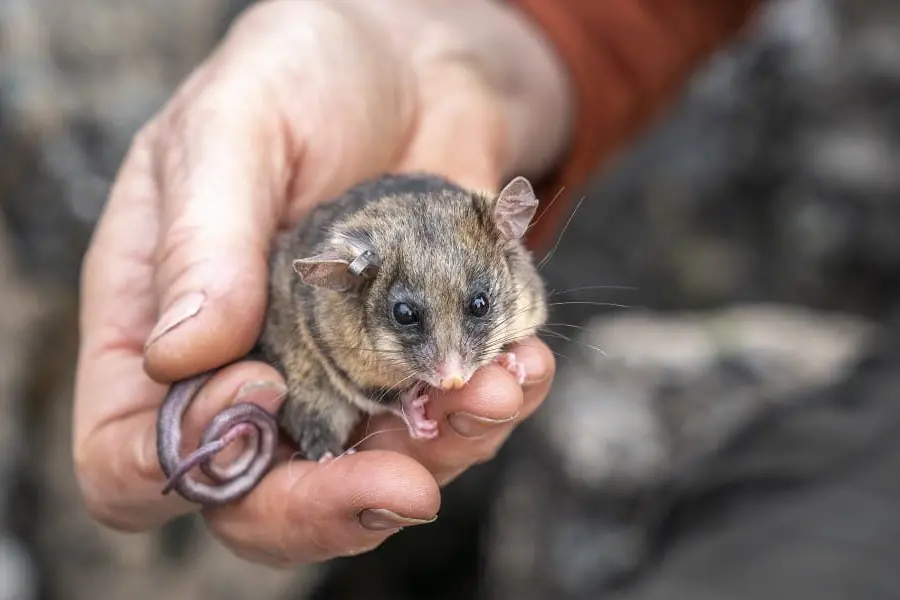
THE Snowy Mountains endangered Mountain Pygmy Possum has featured on the BBC’s Our Planet Earth series highlighting the plight it faces regarding a critical food source, the Bogong Moth.
Highly endangered, the Mountain Pygmy Possum was first found as a fossil and thought to be extinct, before very small populations were discovered.
A new threat to the species has emerged, the Bogong moth is a key stone species that has seen dramatic reductions in numbers and provides up to 50 percent of the possums diet in rich fatty proteins needed to survive in high altitudes.
The Bogong Moth makes one of the most amazing migrations of any creature on the planet.
Up to 1000kms away in high elevations of Kosciuszko, the Pygmy Possum awaits for the moth's arrival from starting points all over south eastern Australia.
Guided by the stars and the earth’s magnetic field as a compass, the moths make their way from grasslands to the highest point in Australia, a journey they have never made before.
"Bogongs are very special creatures, because they are one of Australia’s truly iconic insects," Professor Eric Warrant, Professor of Zoology at Lund University Sweden, said.
“It’s about 4.5 billion moths which arrive in the alpine areas from all over south eastern Australia, and they bring with them of course enormous amounts of nutrients which provide critical food sources for other animals that live in the alpine areas."
The Mountain Pygmy Possum has a varied diet, but one of the most important parts of its diet is the migratory Bogong moth, Doctor Linda Broome, Senior Threatened Species Officer, National Parks and Wildlife Service's Saving Our Species program said.
"Particularly at these high elevations it forms more than 50 percent of its year round diet, and without that very high-fat protein-rich resource, the possums would not survive as well as they do now,” Dr Broome said.
The Bogong Moth is one of our totems, said Paul Girrawah House, Senior Ngambri-Kamberri, Walgalu, and Wiradyuri custodian.
“It’s one of our provenance stories, the Country gives us our identity. It’s about the survival of our people on Country through the resources of the Bogong,” Mr Girrawah House said.
“The Bogong Moth is a highly nutritious food source for our people.”
“Traditionally we invited neighbouring groups here on to Country to celebrate the arrival of the Bogong to feast, but also to exchange songs, kinship, stories, and to resolve disputes on Country.”
The BBC listed climate change, and pesticide use as key threats to the survival of the Bogong.
During drought in roughly 2017 – 2020, the Bogong Moth population plummeted by 99.5 percent, Professor Warrant said.
“It was quite a shock emotionally to arrive in the Bogong Moth caves as I normally did and discover that the cave I was visiting which would normally house tens of millions, possibly hundreds of millions of moths, contained almost no moths at all," Dr Warrant said.
Dr Broome said a devastating effect of climate change currently happening is the higher frequency of fires, and fires burning into the alpine system.
“The Mountain Pygmy Possum is such a special little animal, but there is this great threat of climate change hovering over us," Dr Broome said.
“I would hate to see the Mountain Pygmy Possum become a fossil once more.”
Scientists and local custodians are working together to monitor the moths and better understand their habitat, behaviour and migration routes.
Identifying the threats they face in today’s world is the first step in finding ways to secure their future. Working together in partnership is crucial, said Mr Girrawah House.
“We need to use all the evidence, all the science, and develop short and long-term strategies to protect Country,” Mr Girrawah House said.
“We have to work hard to educate and protect our totems, our species, our resources.”