
PHOTO
The arrival of cold weather, snow, wind and rain leading into winter has brought with it a swathe of respiratory illnesses, including the latest variant of COVID, influenza, RSV, adenovirus, rhinovirus and a risk of measles, according to Snowy Mountains medicos.
Doctors have reported a number of cases of “early” influenza, while RSV is going through the community and sending some people to hospital with breathing issues.
COVID is also back, but appears to be mild, with only those who are immuno-suppressed advised to take precautions and vaccinations.
Vaccinations are available for COVID, RSV and measles.
While local doctors have not yet seen cases of measles face to face, they say it could only be a matter of time before the respiratory virus that had been eliminated by 2014 but had resurged due to a decrease in vaccinations, made its way to the Snowy Mountains - especially with the expected annual onslaught of visitors for the snow season.
NSW Health has issued a Health Alert for an increased risk of measles in the greater Melbourne and Inner Sydney areas and advised travellers to be aware.
More than 1000 cases have been reported in recent weeks in the United States and Canada and there have been outbreaks in Pakistan, Indonesia, Vietnam, Thailand, India, Africa, Europe and the United Kingdom.
More than 70 cases have been diagnosed in Australia since the start of the year. Many people diagnosed with measles in Australia in recent weeks had travelled from overseas.
“The best protection against measles is to vaccinate,” Monaro Medical Practice general practitioner, Dr Domonic Manassa, said.
“In 2014 Australia had eliminated endemic measles due to its effective vaccination program. Recently we have seen a resurgence of this disease due to a decrease in vaccination uptake (COVID lockdowns, hesitancy, accessibility).
“Since the start of 2025 there have been over 70 cases of measles reported in Australia.”
Measles is a highly contagious viral illness, easily spread through coughing and sneezing. Health Department fact sheets state if one person has measles, nine out of 10 people who come into contact with this person will catch measles if they are not protected against it.
Complications from the measles virus can result in blindness, brain inflammation (encephalitis), pneumonia and issues with gestation.
Dr Manassa said in Australia it was recommended to have two doses of the measles vaccination at 12 months and 18 months of ages.
“This is provided free by the government under the National Immunisation Program.
“Vaccination remains the most effective defence against measles.”
The MMR (measles, mumps, rubella) vaccine is free and recommended for:
• All children at 12 and 18 months of age;
• Anyone born after 1965 who hasn’t received two doses; and
• Children under 12 months traveling to high-risk areas can receive an early dose.
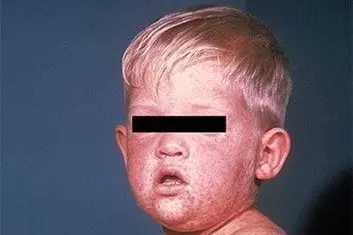
Dr Manassa recommended people check their immunisation status, monitor symptoms, be vigilant for signs of measles, including fever, cough, runny nose, sore eyes, and a red blotchy rash. These symptoms appear around 10 days after exposure.
He said people should seek medical advice if they suspected measles, but contact their healthcare provider before visiting to prevent potential spread.
“Measles is a highly contagious viral illness, easily spread through coughing and sneezing. If one person has measles, nine out of 10 people who come into contact with this person will catch measles if they are not protected against it.
“Complications from the measles virus can result in blindness, brain inflammation (encephalitis), pneumonia and issues with gestation.”
NSW Health recommends people get vaccinated before they travel and monitor for symptoms of measles
“NSW Health is advising people to be alert for signs and symptoms of measles after being notified of a confirmed case who was infectious while visiting several locations in inner west Sydney.
“The case recently returned from South East Asia were there are ongoing outbreaks of measles in several countries including Thailand, Vietnam and Indonesia.”
South Western Sydney District acting director of Public Health, Dr Mitchell Smith, said measles was a serious vaccine-preventable disease that was spread through the air when someone who was infectious coughs or sneezes.
“Symptoms to watch out for include fever, sore eyes, runny nose and a cough, usually followed three or four days later by a red, blotchy rash that spreads from the head and face to the rest of the body.
“It can take up to 18 days for symptoms to appear after an exposure, so it’s important for people who visited these locations to look out for symptoms.
“We want to remind the community to make sure they are up-to-date with their vaccinations. This should be a reminder for everyone to check that they are protected against measles, which is highly infectious.”
People older than 59 should also consider their vaccination status.
“Anyone born after 1965 needs to ensure they have had two doses of measles vaccine. This is especially important before overseas travel, as measles outbreaks are occurring in several regions of the world at the moment,” Dr Manassa said.
“In addition, people at these locations who are immuno-suppressed, pregnant, or anyone, including babies, who has not received a measles vaccine may benefit from preventative treatment. People in these groups should speak to their GP urgently or contact their local public health unit on 1300 066 055.”