
PHOTO
Sheep farmer, Mark Mills, has a vision that reaches beyond wool and pasture.
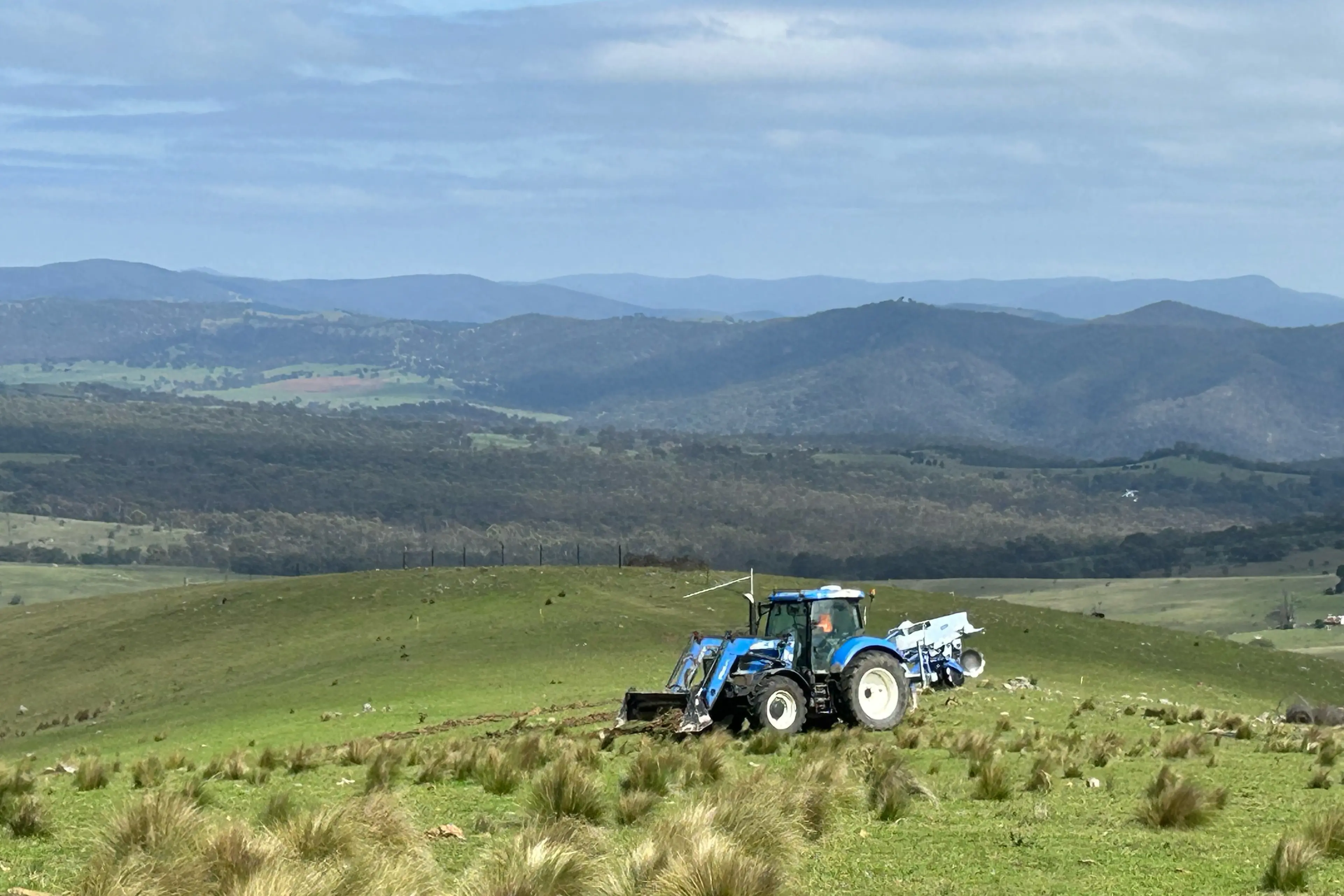
At his family’s 1620ha Hawthorn property near Bombala, he’s working to bring koalas back to country where they haven’t been seen for more than 65 years.
The Snowy Monaro is set to benefit from an environmental regeneration initiative, Koala Friendly Carbon, a groundbreaking effort that repairs biodiverse koala habitat on privately owned land, while opening up new income streams for land managers.
Through his partnership with Climate Friendly, a leading Australian carbon farming service provider, and the trusted environmental organisation WWF-Australia, Mills is transforming part of his farm into a safe haven for endangered koalas and other threatened species.
Multiple tree and shrub species have been planted across 27 hectares and another 153 hectares will be planted this Autumn.
Mills will continue to graze sheep alongside this exciting regenerating area, and he’ll benefit from improved overall landscape health, greater biodiversity and the long- term income from high integrity carbon credits that will be generated by his project.
“Koalas haven’t been sighted at Hawthorn since the 1950s, so I’m really happy to be regrowing forest, full of their food trees, so they call this place home again,” Mills said.
“It’s so important to have healthy trees on agricultural properties and by participating in the Koala Friendly Carbon Initiative, I’ll receive additional income as well as all the landscape benefits from growing them.”
According to the project manager, Climate Friendly’s, Fiona Irving, the Koala Friendly Carbon Initiative delivers multiple benefits.
“Koala Friendly Carbon is great for Mark because it allows him to keep doing what he loves, while growing native forest to diversify his agricultural enterprise,” she said.
For Lucy Hurrey, Restoration Project Specialist for WWF-Australia, the possibility of bringing koalas back to properties where they haven’t been seen for decades is an exciting driver.
“Creating koala habitat, tackling climate change by storing carbon, and providing land managers with extra income makes this project so rewarding. It’s what gets me out of bed in the morning,” she said.