PHOTO
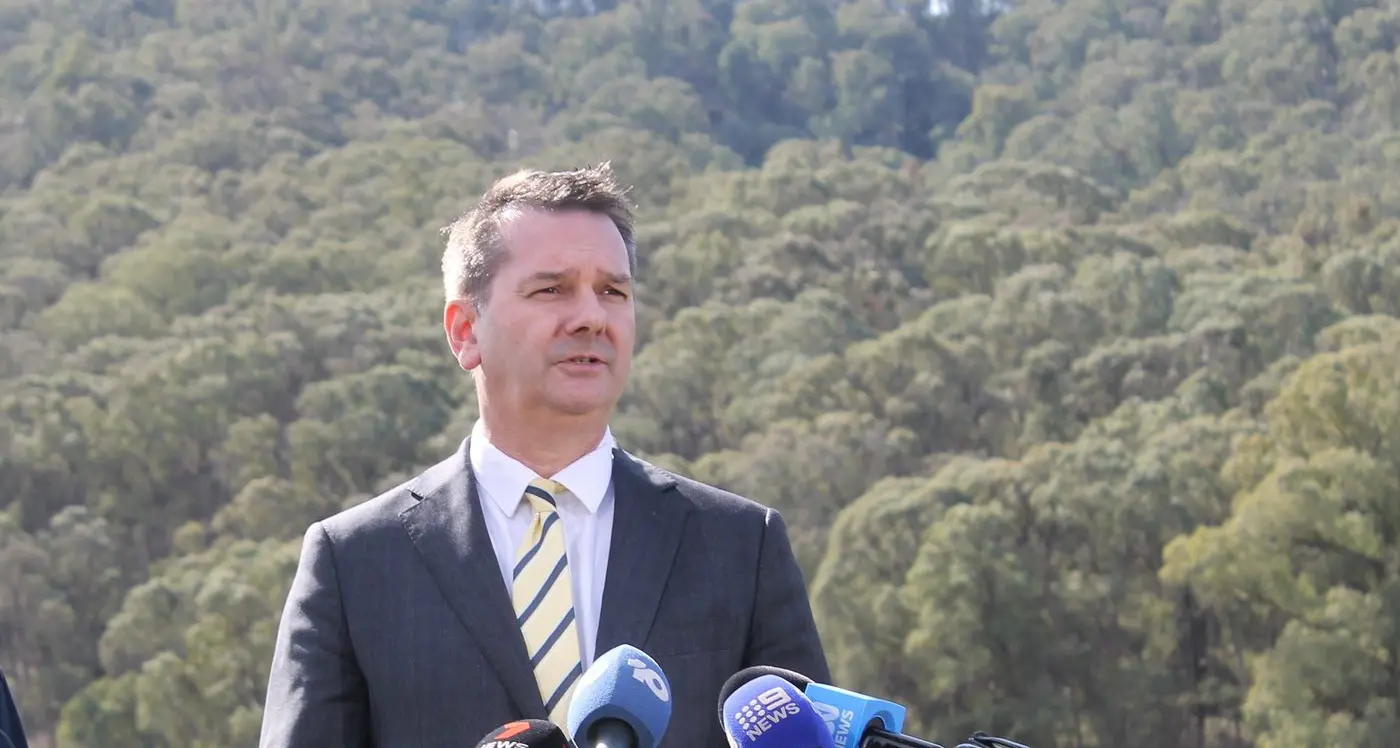
The acting president of RSL NSW, Brigadier Vincent (Vince) Williams CSC (Retd), visited Queanbeyan within the Southern NSW region last Thursday as part of a statewide listening tour aimed at securing the future of local RSL sub-branches and veteran support services in communities across the state, including the Snowy Monaro sub-branches.
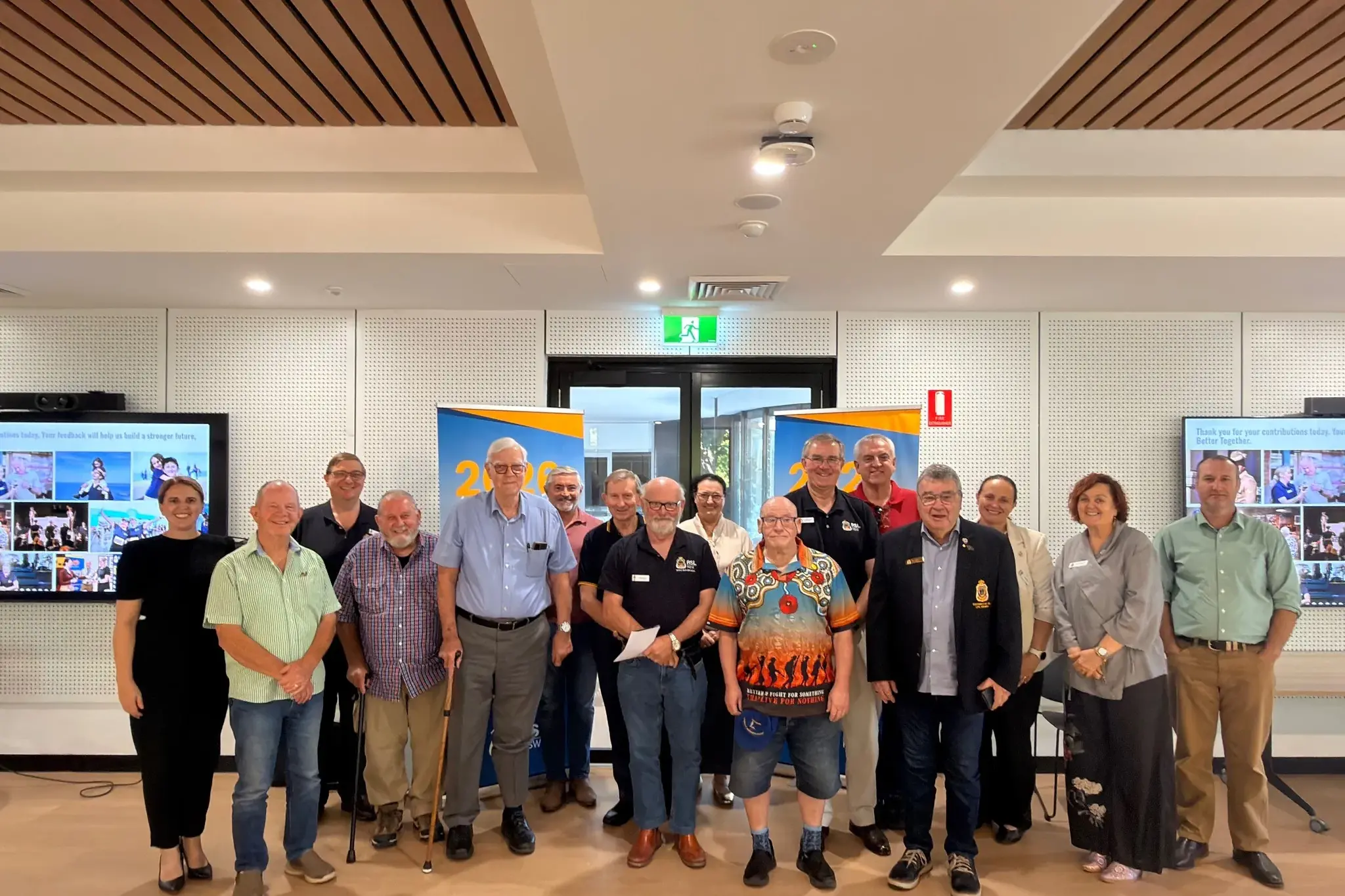
There was a great show of support for Mr Williams when the RSL NSW Board and ANZAC House team visited Queanbeyan to meet with representatives from sub-branches across the region for the first of the face-to-face forums.
Members spoke about local challenges, priorities and ideas for the future of the league.
“The conversation was honest, respectful and constructive, exactly what this tour is about. Our members’ voices will help shape the direction of RSL NSW,” a spokesperson said.
This tour provide an opportunity for the team to “listen directly to them, and testing ideas that will shape our next chapter”.
The feedback gathered will directly inform the RSL NSW Strategic Plan 2026–2031 to be finalised ahead of Congress and the AGM in October.
Mr Williams, a long-term member of RSL NSW who was appointed acting president in late 2025, is undertaking the tour just months into his tenure, making it one of his first major initiatives since taking on the role.
The visit comes at a pivotal moment for the state’s largest veteran support charity in NSW.
RSL NSW is growing and modernising. Membership has increased by more than 200 per cent since 2015, the average age of members is falling and services supporting veterans and their families have expanded significantly across the state.
More than 25,000 veterans and their families are accessing wellbeing support, DVA claims advocacy, the country’s largest veteran-focussed sport and recreation program, and a new digital service-navigation tool.
Alongside this progress, RSL NSW is also confronting serious challenges, Mr Williams said.
Across NSW, many local sub-branches are under financial and operational pressure. Rising costs, ageing infrastructure, uneven access to resources and increasing governance requirements mean that without change, some communities risk losing local veteran support in the years ahead.
Mr Williams said this reality is why he is prioritising time on the ground, meeting directly with the veteran volunteers who make up the grassroots membership of the state’s leading ex-service organisation.
“Our network of more than 300 sub-branches is on the frontline supporting veterans and their families in cities and towns right across NSW,” Mr Williams said.
“They are where veterans connect, where wellbeing support begins, and where service and sacrifice are honoured at a community level. Protecting that local presence is one of the most important responsibilities of this organisation.”
If members from the region missed the Queanbeyan forum, the next listening tour within close proximity to the Snowy Monaro is at Bega on 7 March.
Discussions focus on what is working well locally, what support is needed and what must change to ensure long-term sustainability for veteran services across the state.
“This is not about imposing solutions from Sydney,” Mr Williams said.
“It’s about listening carefully, understanding local realities, and making sure the decisions we take as a league strengthen sub-branches rather than weaken them.”
Mr Williams said the future of RSL NSW depends on honest conversations and a willingness to modernise, while remaining true to the organisation’s purpose.
“The Returned and Services League has been part of Australian communities for generations,” he said.
“If we want it to remain strong for the next generation of veterans, we need to adapt together. That starts with listening.”