
PHOTO
VERMICULTURE is the process of cultivating worms to decompose organic food waste, thus turning it into a valuable nutrient-rich material, which works wonders in the garden.
Vermicompost is what you end up with at the end of the process.
Vermicompost is the wonder food output of vermiculture and contains a wealth of nutrients and other plant growth-promoting substances.
It does not contain any chemical elements, nor does it impact adversely on the plants, soil, or the environment.
The process is excellent for boosting soil aeration and water retention, improving the micro and macronutrients in the soil too, all of which are excellent in promoting better nutrient absorption.
The favoured worm for worm farming is the Tiger Worm, also known as red wrigglers, and these are the composting ninjas of the worm farming world.
They live closer to the surface, thrive in rotting vegetation and manure, and will eat up to their body weight in food every day.
Aggressive little diggers, Tiger Worms are also highly efficient digesters and are remarkably productive as they go about the business of producing their prized garden elixir.
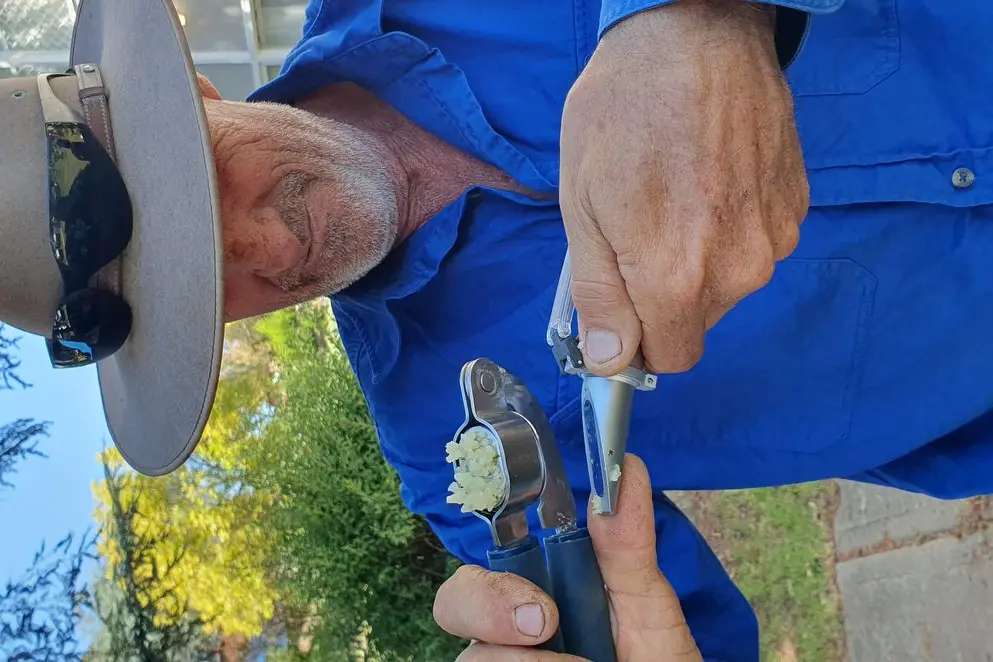
The Cooma Community Garden was the venue recently for an introduction to vermiculture workshop presented by local farmer, Jim Kennedy, whose aim is to promote the process of improving the soil via regenerative practices.
The workshop demonstrated how to use worm casings in a specially formulated mixture to help improve soils, plant health, and the nutritional density of fruits and vegetables.
The benefit of utilising diverse nutrient-rich manures from a range of animals, as additional inputs also helps, is that the bacteria propagated in the mixture assists in making all the nutrients to become soluble, thus more easily available to the plants.
The bacteria-propagating solution is not difficult to make and it can be made on a very small scale for smaller gardens, yet can be multiplied for use for larger applications on farms as well.
The method is very versatile and Mr Kennedy’s aim is to help not only backyard growers to grow food with a higher nutrient density, but also to assist farmers in utilising the method to improve their pasture and soils, which will boost livestock health.
Mr Kennedy performed a quick, small scale demonstration and many of the attendees became so interested in the vermiculture biodynamic methods, that they have now sourced old bathtubs and large plastic containers to begin their own worm-farming journeys aimed at boosting their gardens’ growing capacity.
The workshop was very popular and attracted a great attendance. Mr Kennedy also brought a refractometer to the workshop, which he used to test shop-bought and conventionally grown produce, which returned a reading of two to three, while the organically-grown produce returned readings of five to seven. The aim is to reach a minimum reading of 12. This demonstrated that despite the addition of manures, sprays and pellets, if the nutrients are not in a soluble form, the plants do not absorb them as easily, which they need to be able to do if they are to be stored within the plant and its fruit and seeds.
A follow-up workshop on how to build a stronger and more efficient worm farm is in the works, and attendance is expected to be high as more gardeners realise the benefits of vermiculture and vermicompost as a valuable addition to their farms and food gardens.